Black Mold?
Don't Take Chances! Call the Top Disaster
Recovery Company in Atlanta and get cleaned up FAST!


Why Choose Us?
- Free Estimates
- Available 24/7/365
- 60 Minute Rapid Response
- Fully Licensed And Insured
- We Work With Your Insurance Company
Call Now (404) 462-3950
Mold Removal in Atlanta, Georgia
When you find visible mold, a musty odor, or dark staining, the first step is to identify the moisture that supports it. Our mold removal team helps homeowners, landlords, property managers, and commercial property owners inspect the affected area, protect clean spaces, and plan controlled cleanup. We work in homes, condominiums, rental properties, offices, warehouses, and other buildings in Atlanta.
Our technicians look beyond the surface. We trace signs of plumbing leaks, roof leaks, foundation moisture, condensation, high humidity, poor ventilation, and past water damage. A moisture meter helps locate damp drywall, insulation, flooring, wood framing, cabinetry, carpet, and other materials that may not look wet. We explain what we find and keep you informed about the work.
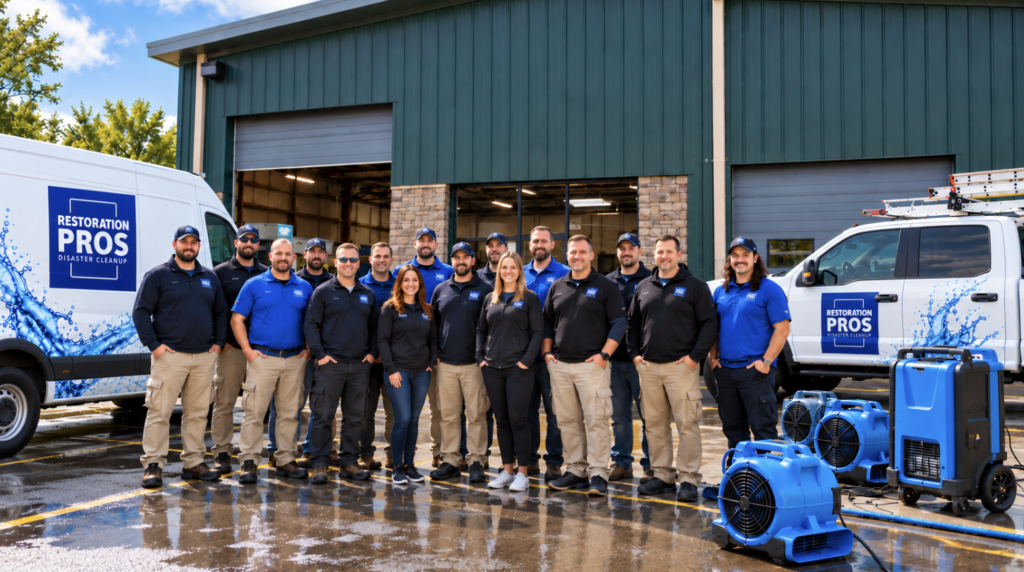
We begin by separating the affected area from clean parts of the property. Containment materials help control dust and debris during removal. Depending on the site, our team uses HEPA filtration, air scrubbers, negative-air equipment, and dehumidifiers. Equipment placement takes into account occupants, contents, electrical areas, elevators, hallways, and access paths.
Need Restoration Help in Atlanta? Call (404) 462-3950
The cleanup plan starts with an inspection and moisture assessment. We document affected areas, check nearby materials, and identify the source of the moisture. Our technicians are IICRC Certified, and our BBB Registered business follows a documented process from inspection through cleaning and repair planning.
How Our Mold Remediation Process Works
Materials that cannot be cleaned are removed in a controlled manner. These materials may include damaged drywall, insulation, carpet, or other porous finishes. Surfaces that remain are cleaned with HEPA equipment and suitable surface-cleaning methods. Wood framing, subfloors, cabinets, attic materials, and crawl-space areas receive close attention because their condition affects the repair plan.
After cleanup, we review moisture conditions again and explain the remaining repairs. The repair plan may include replacing drywall, flooring, insulation, or affected finishes. Mold removal is not complete until the moisture source is corrected. Otherwise, continued dampness can support new growth.
Commercial Mold Remediation for Atlanta Properties
Commercial buildings often require a more detailed access and work-zone plan. Offices, mixed-use buildings, warehouses, and other commercial properties may have occupied areas, stored goods, shared systems, limited staging space, or scheduled business activities. We plan equipment placement and containment around those conditions while keeping unaffected areas separated from the cleanup zone.
Property owners and managers receive clear documentation about inspected areas, moisture readings, removed materials, and repairs that remain. This record helps organize decisions across tenant spaces and gives the ownership team a clearer view of the work.
Mold Risks in Atlanta Homes and Buildings
Atlanta has older detached homes, renovated properties, apartments, condominiums, and townhomes with different moisture concerns. In West End, older homes and mixed-use buildings may hide damp materials behind walls after a plumbing leak or storm-related roof leak. Buckhead properties can include large homes, condominiums, and offices that need different containment and access plans. Older residences beside newer apartments in Old Fourth Ward may also contain a mix of building materials that respond differently to moisture.
Spring thunderstorms and summer humidity can leave roof leaks, damp crawl spaces, or wet lower levels behind after the visible water is gone. Repeated rain near urban drainage areas can also increase moisture concerns in basements and crawl spaces. Our team checks the building materials and moisture source instead of treating odor or staining as an isolated surface issue.
For immediate mold removal help in Atlanta, call (404) 462-3950 to discuss what happened and the next steps for your property.
Frequently Asked Questions
What should I do if I see mold in my Atlanta property?
Contact a mold remediation professional for an inspection and avoid disturbing the affected material. Our team checks the moisture source, identifies affected materials, and explains the cleanup plan.
Can mold grow behind walls or under flooring?
Yes, mold can develop in hidden damp materials after leaks, condensation, or past water damage. Moisture readings and an inspection of nearby drywall, insulation, flooring, and framing help locate areas that are not visible.
What causes mold in homes and commercial buildings?
Common causes include plumbing leaks, roof leaks, foundation moisture, high humidity, poor ventilation, condensation, and water damage that was not fully dried. Correcting the moisture source is an important part of remediation.
How does mold remediation differ from surface cleaning?
Mold remediation addresses the moisture source, affected materials, containment, removal, and cleaning. Surface cleaning alone does not resolve damp drywall, insulation, flooring, or other materials that may continue to support growth.
Will affected drywall or insulation always need to be removed?
Not always. We inspect each material and determine whether it can be cleaned or requires controlled removal. Porous materials with extensive damage often affect the repair plan.
How do you protect the rest of the property during cleanup?
We separate the work area with containment materials and use HEPA filtration or air-scrubbing equipment based on the conditions at the property. The crew also plans equipment placement around occupants, contents, and access paths.
Do you provide documentation after mold cleanup?
Yes. We document inspected areas, moisture readings, affected materials, removal work, and repairs that remain. This gives property owners and managers a clearer record of the project.
Do commercial properties need a different mold cleanup plan?
Commercial properties often need added planning for occupants, tenant spaces, stored goods, shared systems, staging areas, and business activity. We organize containment, access, and equipment placement around those conditions.