


Flooded Basement Cleanup in Atlanta, Georgia
When water fills a basement, quick cleanup helps limit damage to floors, walls, belongings, and the structure below your home or business. Our team handles water removal, flood damage cleanup, and structural drying after burst pipes, appliance leaks, sump pump failures, roof leaks, heavy rain, or sewer backups.
We help homeowners, landlords, property managers, and commercial property owners throughout Atlanta. The crew checks finished basements, rental properties, condominiums, offices, retail spaces, warehouses, and other occupied buildings. If standing water is near outlets, appliances, or electrical equipment, keep people and pets away and wait for a safe assessment.
We begin by inspecting the basement, connected rooms, and areas where water may have traveled. The assessment covers flooring, carpet and pad, drywall, insulation, baseboards, cabinets, framing, contents, and nearby utility spaces. We also check risks around electrical systems before equipment is placed.
Need Restoration Help in Atlanta? Call (404) 462-3950
Our process starts with finding the source and documenting the affected areas. We map moisture, remove standing water, protect contents, and set up controlled drying. IICRC Certified technicians explain what they find, record readings and photos, and keep you informed as the work moves from cleanup to repair planning.
How We Handle a Flooded Basement
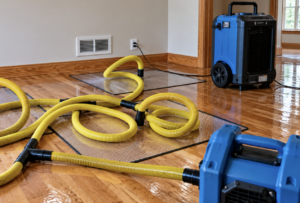
After the source is controlled, extraction equipment removes standing water from the affected surfaces. Moisture meters help locate damp areas below flooring and inside walls. Thermal imaging can support the search for hidden moisture. Air movers and dehumidifiers then support controlled structural drying.
Drying is monitored instead of judged by surface appearance alone. Our technicians record moisture readings, clean salvageable surfaces, and address affected contents. Once the structure is stable, we explain the remaining repair work for materials such as drywall, insulation, flooring, subflooring, baseboards, or cabinets.
Commercial Flooded Basement Cleanup
Commercial basement losses can affect offices, retail spaces, restaurants, warehouses, and mixed-use buildings. Shared walls, utility rooms, stored materials, loading areas, and busy entrances all affect the work plan. In Atlanta's Upper Westside and other mixed commercial areas, our crew plans equipment placement and access around occupants, deliveries, inventory, and unaffected areas.
We separate work zones where possible, protect contents, and document affected rooms and moisture readings. Clear records help owners and property managers track the loss while the building moves toward safe, normal use.
Serving Atlanta and Nearby Communities
We serve property owners in Atlanta and nearby communities including East Point, Hapeville, Decatur, College Park, and Sandy Springs. Our team provides basement water cleanup, water removal, moisture checks, structural drying, cleaning, and repair planning.
Some properties also need help after a separate fire or persistent moisture problem. Our fire damage cleanup service addresses affected structures and contents, while our mold removal service focuses on mold conditions in damp building materials.
For immediate help with water damage in Atlanta, call (404) 462-3950 to discuss what happened and the next steps for your property.
Water Damage Cleanup Pricing
We review the scope with you after inspecting the property. Restoration costs depend on the water source, affected materials, amount of water, contents, and repair needs.
- Small water loss: $1,000–$3,000
- Moderate water loss: $3,500–$7,500
- Large water loss: $7,500–$15,000+
These prices are general reference points and are not a quote or estimate for a specific property. Actual restoration costs depend on the source and category of water, affected square footage, materials involved, length of exposure, equipment needs, demolition, cleaning, drying time, and repairs. A complete price estimate requires an onsite inspection because the final scope depends on the actual conditions at the property.
Frequently Asked Questions
What should I do first when my basement floods?
Keep people and pets away from standing water, especially if it is near outlets, appliances, or electrical equipment. Once the area is safe, our team can inspect the source, remove the water, and identify moisture that has moved into floors, walls, or contents.
Can you clean up water from a burst pipe or sump pump failure?
Yes. We handle basement flooding from burst pipes, sump pump failures, appliance leaks, roof leaks, heavy rain, and other water sources. We identify the source, extract standing water, dry the structure, and explain any repair work that remains.
How do you find moisture that I cannot see?
We use moisture meters to check below flooring and inside affected materials. Thermal imaging can also support the inspection. These checks help us identify wet areas that may not show visible staining.
What happens to carpet, flooring, and drywall after basement flooding?
We inspect each material and document its condition before deciding whether it can be cleaned and dried or needs removal. The decision depends on the water source, the material, and the moisture found during the assessment.
Do you handle flooded basements in commercial buildings?
Yes. We work with commercial property owners and managers on access, occupant safety, equipment placement, contents protection, and documentation. The plan accounts for shared systems, tenant areas, inventory, deliveries, and unaffected parts of the building.
How long does basement drying take?
Drying time depends on how much water entered, which materials were affected, airflow, humidity, and moisture readings. We monitor the affected areas and adjust equipment based on documented drying progress rather than surface appearance alone.