

Water Damage Cleanup in Atlanta, Georgia
A burst pipe, appliance leak, roof leak, failed sump pump, or heavy storm can send water through floors, walls, ceilings, and lower levels. Our team removes standing water, traces moisture beyond the visible damage, and helps limit further harm to your property.
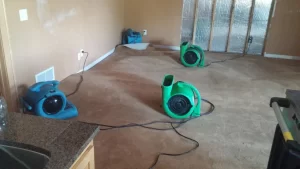
We help homeowners, landlords, property managers, and commercial property owners in Atlanta. Our technicians work in homes, rental properties, condominiums, offices, retail spaces, warehouses, and other occupied buildings. In areas such as Buckhead, Midtown, and West End, older or renovated properties may have layered materials, crawl spaces, finished basements, or shared plumbing that changes how water travels.
We start by finding the source and mapping the path of the water. Moisture readings help us check behind baseboards, under flooring, inside cabinets, and above ceilings. We explain what we find, document affected areas, and build the cleanup plan around your property, tenants, contents, and access needs.
Need Restoration Help in Atlanta? Call (404) 462-3950
Commercial Water Damage Cleanup in Atlanta
Commercial losses need careful coordination because water may affect equipment, inventory, loading areas, shared plumbing, or several tenant spaces. We plan access, equipment placement, occupant safety, documentation, and scheduling around the parts of the building that still need to operate. Warehouses and industrial spaces may also require extra attention around stored goods, machinery, electrical equipment, and large concrete floor areas.
Water Damage Risks for Atlanta Properties
Atlanta has older single-family homes, apartments, condominiums, mixed-use buildings, and commercial properties with different drainage and plumbing layouts. Spring storms can overwhelm roof drainage, gutters, low areas, and basement entry points. Summer thunderstorms may cause sudden runoff or roof leaks, while winter freezes can burst exposed pipes or sprinkler lines. Warm, humid conditions also make prompt drying important after a leak.
Properties near Peachtree Creek or Proctor Creek may see faster runoff during intense rain, while developed slopes can move water toward garages, lower floors, and foundation walls. Our team checks how water entered and where it traveled instead of treating every loss the same way. We serve Atlanta and nearby communities including East Point, Hapeville, College Park, Decatur, and Sandy Springs.
Moisture that remains after cleanup may support mold growth, which is why some losses also require mold removal. Fire suppression water can involve soot, damaged contents, and a different cleaning scope, so fire damage cleanup follows a separate assessment. Contact our team to review the loss and understand the next step for your property.
We plan the work around tenants, shared walls, stored contents, and areas that still need to stay open.
First, we inspect the source and the path the water took. If water is still entering, we explain what needs attention before drying continues. Moisture mapping with meters helps us check behind baseboards, under flooring, inside cabinets, and above ceilings. This is especially important after a hidden plumbing failure or a leak that has traveled through a finished basement.
Water Damage Cleanup Pricing
Water damage cleanup pricing depends on the water source, affected materials, moisture spread, and repair scope. We assess the property first and explain the work involved.
- Small water loss: $1,000–$3,000
- Moderate water loss: $3,500–$7,500
- Large water loss: $7,500–$15,000+
These prices are general reference points and are not a quote or estimate for a specific property. Actual restoration costs depend on the source and category of water, affected square footage, materials involved, length of exposure, equipment needs, demolition, cleaning, drying time, and repairs. A complete price estimate requires an onsite inspection because the final scope depends on the actual conditions at the property.
Need Restoration Help in Atlanta? Call (404) 462-3950
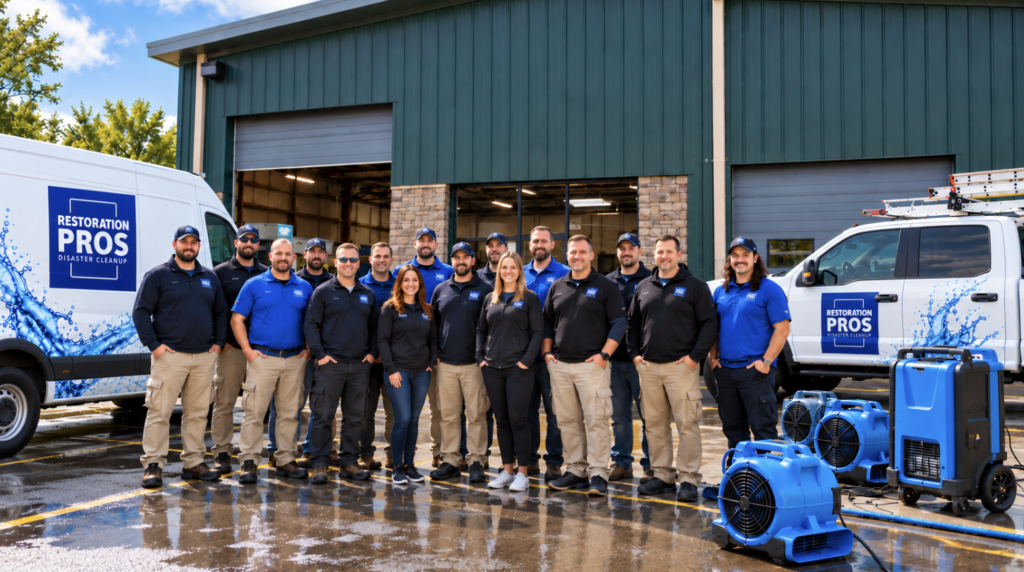
We begin with an assessment rather than guessing from the visible damage. Our team identifies the source, documents affected areas, explains the next steps, and uses controlled drying to support sound repair decisions. Our IICRC certified techs provide 24HR response and keep you informed as the work moves forward.
Frequently Asked Questions
What should I do first after water damage?
Stop the water source if it is safe to do so and contact our team for an assessment. Avoid disturbing wet materials until the affected areas and moisture path are understood.
What does water damage cleanup include?
It includes assessment, water extraction, moisture mapping, controlled drying, monitoring, cleaning, and repair planning. The exact work depends on where the water traveled and which materials were affected.
How do you find hidden moisture?
We use moisture meters to check areas such as flooring, walls, cabinets, baseboards, and ceilings. Readings help identify moisture that is not visible from the surface.
Do you remove standing water?
Yes. Our technicians use extraction equipment to remove standing water and reduce moisture in affected materials before the drying stage begins.
Can wet drywall or flooring be saved?
Some materials can be cleaned and dried, while others need removal because they no longer support a sound finish. Our team documents conditions and explains the repair choices.
Do you handle commercial water damage?
Yes. We work with commercial property owners and managers on access, occupant safety, equipment placement, documentation, and scheduling around areas that still need to operate.
What causes water damage in Atlanta properties?
Common causes include burst pipes, appliance leaks, roof leaks, plumbing failures, sump pump problems, heavy rain, and drainage backups. The source and building layout determine the cleanup plan.
Can water damage lead to mold?
Persistent moisture can create conditions for mold growth. Prompt extraction, drying, and monitoring help identify remaining moisture, and separate mold removal work may be needed when mold is present.