
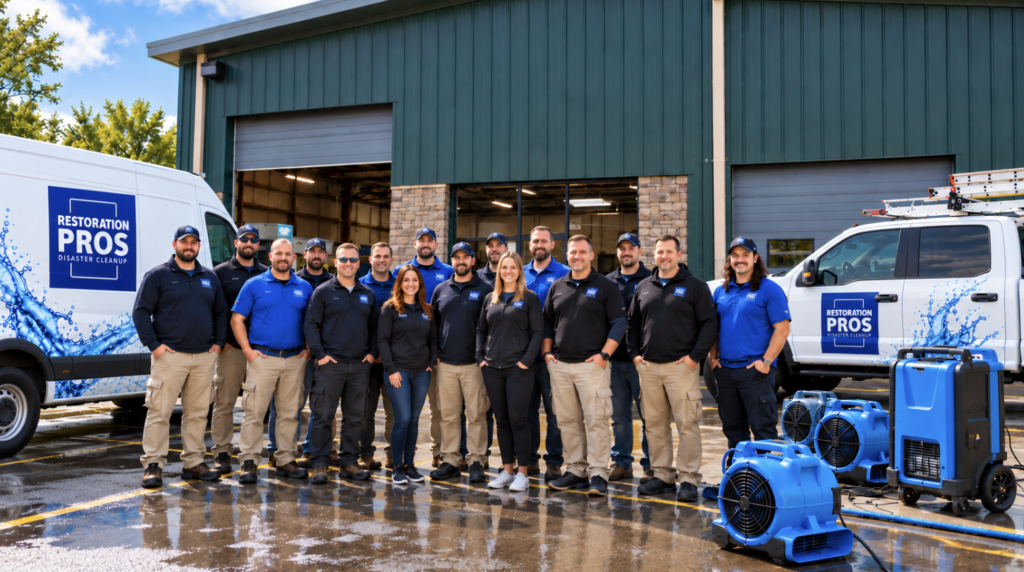
Sewage Cleanup in Atlanta, Georgia
When sewage backs up into your home or business, contaminated water needs more than ordinary water removal. Our team contains the affected area, removes wastewater, cleans and disinfects salvageable surfaces, and checks for moisture left behind. We help homeowners, landlords, property managers, and commercial property owners in Atlanta.
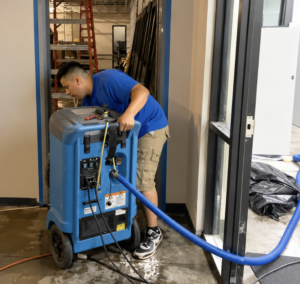
Keep children, pets, and other occupants away from the affected area. Do not touch standing sewage or track it through the building. If it is safe to do so, stop the source without entering contaminated water, then call us for a safety assessment. Our team offers a 60 Minute Rapid Response for urgent losses.
Commercial sewage losses often involve occupied areas, shared plumbing, stored contents, and larger work zones. Our team plans access routes, equipment placement, containment, and cleaning around employees, tenants, customers, and unaffected operations. Offices, restaurants, warehouses, repair facilities, and mixed-use buildings each need a cleanup plan that fits the property.
Need Restoration Help in Atlanta? Call (404) 462-3950
We explain what we find before the main cleanup begins. Our IICRC Certified technicians document affected rooms, moisture readings, materials, and visible damage. That clear record helps you make decisions about extraction, disposal, drying, and repairs without guessing about what happened.
Sewage Cleanup for Commercial Properties
Landlords and property managers also need clear communication between units and reliable documentation of affected rooms. We identify where sewage traveled, separate safe areas from work areas, and explain which materials need cleaning or removal. That helps you plan access and repairs while limiting unnecessary disruption.
Seasonal Sewage Risks in Atlanta
Spring thunderstorms and summer storm systems can overwhelm drains and push contaminated water into basements or ground-floor rooms. Fall rain and tree debris can block drainage paths. Winter freezes and freeze-thaw weather can damage exposed plumbing, crawl-space lines, vacant-building pipes, and exterior service lines.
After severe weather, we focus on the conditions at your property. We check lower levels, utility spaces, floor edges, and connected rooms for hidden moisture and contamination. If the loss affects a nearby flooded basement, we can coordinate the cleanup plan with our flooded basement cleanup service. Smoke or fire damage in the same property requires a separate fire damage cleanup plan, while persistent moisture concerns may require mold removal.
Our team serves Atlanta properties throughout the city, including homes, rental buildings, offices, and industrial spaces. The next step is a property assessment so we can identify the source, set safe work limits, remove contaminated water, and explain the repair path.
After Sewage Cleanup
Keep the affected rooms out of use until cleaning and drying are complete and the work area is released. A licensed plumber may need to repair the blocked or failed drain separately. Confirm that the source is corrected before replacing damaged finishes.
Once the affected structure has dried, use the cleanup records to plan flooring, drywall, trim, or other repairs. If odors, staining, or dampness return, arrange a follow-up inspection rather than covering the area before the cause is understood.
For immediate sewage cleanup help in Atlanta, call (404) 462-3950 to discuss what happened and the next steps for your property.
Water Damage Cleanup Pricing
Sewage cleanup pricing depends on the source, affected area, contamination, materials, contents, and drying needs. We assess the property first and explain the work included in the cleanup plan.
- Small water loss: $1,000–$3,000
- Moderate water loss: $3,500–$7,500
- Large water loss: $7,500–$15,000+
These prices are general reference points and are not a quote or estimate for a specific property. Actual restoration costs depend on the source and category of water, affected square footage, materials involved, length of exposure, equipment needs, demolition, cleaning, drying time, and repairs. A complete price estimate requires an onsite inspection because the final scope depends on the actual conditions at the property.
Frequently Asked Questions
What should I do after a sewage backup?
Keep people and pets away from the affected area and do not touch standing sewage. If it is safe, stop the source without entering contaminated water, then arrange a professional safety assessment.
Is sewage cleanup different from ordinary water removal?
Yes. Sewage cleanup involves contaminated water, controlled work zones, cleaning, disinfection, material evaluation, and documentation. Some porous materials cannot be safely cleaned and need removal.
What areas do you inspect after a sewage loss?
We inspect the visible loss and connected areas such as bathrooms, laundry rooms, basements, crawl spaces, wall cavities, floors, and utility spaces. Moisture and contamination can travel beyond the room where the backup started.
Can carpet and drywall be saved after sewage contamination?
It depends on the material, the level of contamination, and how long it was exposed. We evaluate carpet, pad, drywall, insulation, flooring, trim, framing, and contents before recommending cleaning or removal.
How do you dry a property after sewage cleanup?
We use moisture meters to track affected materials and place air movers and dehumidifiers based on those readings. Drying continues with monitoring until the property reaches a condition suitable for the planned repairs.
Do you help landlords and property managers?
Yes. We document affected rooms, work limits, materials, and moisture readings so landlords and property managers can coordinate access, tenant communication, cleaning, and repairs.
Can sewage backups affect commercial buildings?
Yes. Shared plumbing, occupied areas, stored contents, and large floor plans can make commercial losses more complex. We plan access, equipment placement, containment, and work zones around the building's operations.
What causes sewage to enter an Atlanta property?
Common causes include sewer backups, blocked drains, failed plumbing, damaged service lines, sump problems, and heavy rain. We inspect the source because it determines the safe cleanup and drying plan.